










 Parks
Parks
 Children’s Playgrounds
 Walking Trails
 Beaches















Banja Luka City Info
09. February 2026 | 5 min readBanja Luka Ćevapi, Nektar Beer and Trappist Cheese - Flavors of Banja Luka
Cities can be discovered through landmarks, but they are remembered through flavors. If you ask tourists what Banja Luka is known for, you will almost always hear the same three answers: Banja Luka ćevapi, Nektar beer, and Trappist cheese. These very products shape the city’s gastronomic identity and are the reason why many visitors want to try them as soon as they arrive in Banja Luka.
This is not just a story about food and drink - it is a story about tradition, craftsmanship, and the people who, throughout history, have shaped what we now recognize as the authentic flavors of Banja Luka.
Banja Luka ćevapi - a local brand everyone wants to try
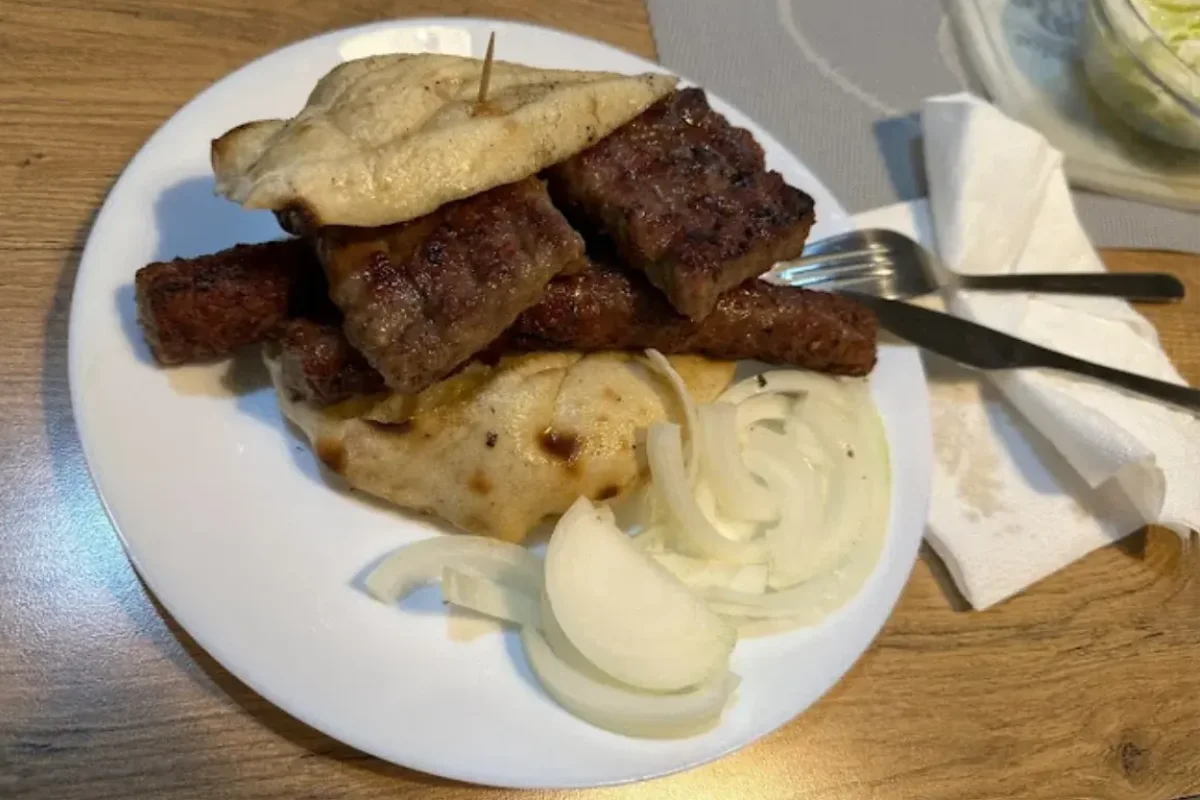
Tourists very often search for "where are the best ćevapi in Banja Luka", and the answer lies in the city’s long-standing grilling tradition. Banja Luka ćevapi stand out because of their distinctive shape - they are served in slabs of four connected pieces, inside a flatbread and with chopped onions. This shape allows for even grilling and helps retain juiciness, creating a specific texture that true food lovers recognize instantly.
There is an interesting debate about their origin. For a long time, it was believed that the famous ćevapi master Mujo Đuzel was the one who popularized Banja Luka ćevapi, while some sources claim that the characteristic shape was actually the result of an innovation by butcher Giovanni Klasser, a descendant of Italian immigrants who refined meat-processing techniques in the mid-20th century. Regardless of which version is true, it is clear that this specialty has become one of the most recognizable gastronomic symbols of Banja Luka.
Here, ćevapi are not just a meal - they are part of everyday culture, a quick social ritual, and often a tourist’s first real encounter with the local way of life. The good news for visitors is that in Banja Luka it is almost impossible to make a wrong choice whichever grill house you pick, there is a high chance you will be served authentic Banja Luka ćevapi prepared according to well-established tradition.
Trappist heritage - the roots of Banja Luka’s beer and cheese
On the outskirts of the city lies the Mariastern Monastery, a place that had a profound influence on the development of Banja Luka at the end of the 19th century. Trappist monks, led by Father Franz Pfanner, arrived with a vision of a self-sustaining community based on work, discipline, and knowledge. Their motto "Ora et labora" - pray and work - left a strong mark on the city’s industrial and cultural development.
The Trappists established craft workshops, a dairy, a brewery, a printing house, and even one of the first hydroelectric power plants in Bosnia. Thanks to this tradition, Banja Luka gained two products that are today symbols of the city: Trappist cheese and a strong local brewing culture. This heritage is not just a historical curiosity - it still lives on through products associated with quality and long-standing tradition.
Nektar beer - the liquid symbol of Banja Luka’s social life
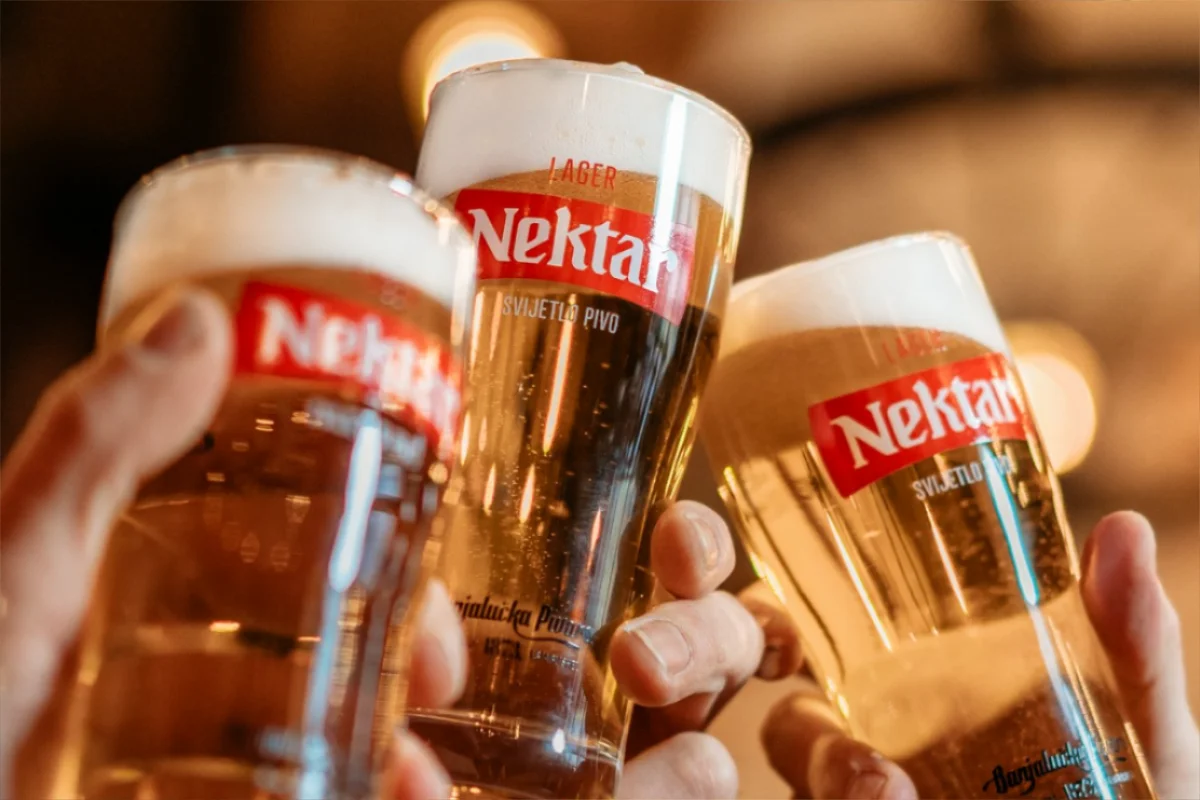
For many visitors, the question "which beer should I try in Banja Luka" has a simple answer - Nektar. The Banja Luka Brewery, founded in the late 19th century, continued the industrial tradition started by the Trappists and developed a beer that over time became synonymous with the city.
Nektar is enjoyed with grilled food, on outdoor terraces, and during festivals - it is part of everyday life and socializing. For tourists, a glass of this beer represents an authentic way to feel the rhythm of Banja Luka.
Trappist cheese - the taste of tradition
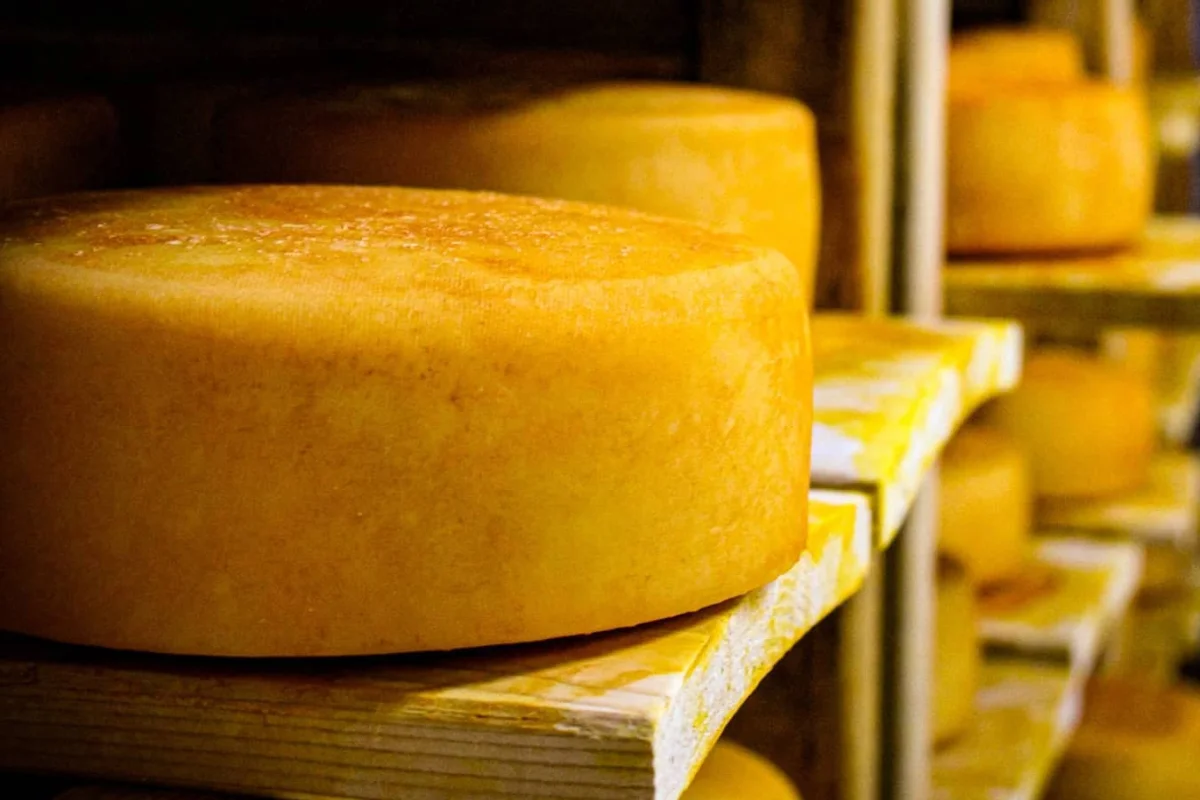
Trappist cheese from Mariastern is one of the most well-known food products associated with the city. Visitors often search for "Trappist cheese Banja Luka", wanting to try a product whose production originates from a monastic tradition more than a century old.
Its mild aroma and elastic texture have made it recognizable throughout the region. For many tourists, Trappist cheese is a gastronomic souvenir - a flavor that symbolizes the blend of history, craftsmanship, and local identity.
A city remembered by its flavors
When someone asks what to try in Banja Luka, the answer is simple: ćevapi, Nektar beer, and Trappist cheese. These products are not just food and drink - they are part of the city’s history, culture, and identity.
Banja Luka can be discovered through its landmarks, but it is truly best remembered through its flavors. And those flavors tell the story of the city better than any guidebook ever could.
If you want to explore even more local flavors, from traditional dishes to modern gastro concepts, Banja Luka’s food and drink scene offers far more than can fit into a single recommendation - because Banja Luka is not remembered only for its places, but for the flavors that stay with you.
*Share this content and help others discover Banja Luka!